Музыкальные темы из романа
Русский > Темы, стиль и формы > Музыкальные темы из романа
In The Master and Margarita, Bulgakov indicates various musical themes accompanying and colouring the action. He often describes these themes as if he was giving director's instructions for the musical score the reader should imagine. Sometimes he limits himself to a vague description of the mood by describing the genre or the composer, and sometimes he's very specific.
Aida
Giuseppe Verdi
«О, боги, боги!» or «Oh, gods, gods!» This exclamation appears ten times in the book, as a leidmotiv. According to some sources Bulgakov would have found it in the opera Aida written by Giuseppe Verdi (1831-1901). He loved this opera very much and quoted it often. While unraveling the libretto written by Antonio Ghislanzoni (1824-1893), I indeed found a text with similarities. It's the last stanza of Scene I in the first act.
Numi, pietà del mio soffrir!
Speme non v'ha pel mio dolor.
Amor fatal, tremendo amor,
Spezzami il cor, fammi morir!
Numi, pietà del mio soffrir! ecc.
Oh gods, have pity on my suffering!
There is no hope for my sorrow.
Fatal love, terrible love,
break my heart, make me die!
Oh gods, have pity on my suffering! etc.
The first words of Pilate in the novel are: «О боги, боги, за что вы наказываете меня?» or «Oh gods, o gods, why do you punish me?». Later in the book this exclamation is repeated nine times, as a leidmotiv which sometimes is said by a character, sometimes by the narrator.
Here you can listen to Numi pietà del mio soffrir, in a recording by the Metropolitan Opera Orchestra and Chorus in New York.
Numi pietà del mio soffrir - Giuseppe Verdi
Faust
Charles Gounod
In chapter 7, Woland meets Styopa saying: «Here I am!». Bulgakov has once considered this exclamation as a possible title for The Master and Margarita. It's what Mephistopheles, the devil in the opera Faust written by Charles Gounod (1818-1893), exclaims when he appears in front of Faust : «Me voici!». According to his sister Nadezhda, Mikhail Bulgakov had a picture of the bass Lev Mikhailovitsk Sibiryakov (1869-1942) on his desk.
Comic strip lovers know this opera very well because of the Juwel Song - «Ah! je ris de me voir, si belle en ce miroir» or «Ah! I laugh to see how lovely I look in this mirror!» the favourite aria of the soprano Bianca Castafiore in the albums of Tintin.
Me Voici ! - Charles Gounod
Evgeny Onegin
Pyotr Ilyich Tchaikovsky
In chapter 4 Ivan chases Woland and his gang accompanied by «the hoarse roar» of the polonaise from the opera Evgeny Onegin by Pyotr Ilyich Tschaikovski (1840-1893). This opera is based on the homonymic story written by Alexander Sergeevich Pushkin (1799-1837). The libretto was written by Modest Ilyich Tschaikovski (1850-1916), the composer's brother. Bulgakov describes the first scene of the third act of this opera, in which Onegin meets the prince Gremin. Gremin was married to Tatyana, with whom Onegin had flirted himself.
Here you can listen to the Polonaise from Evgeny Onegin by Pyotr Iljich Tschaikovsky.
Славное море, священный Байкал
Folk song
In chapter 17 of The Master and Margarita you can read how the staff of the affiliate of the Commission on Spectacles and Entertainment of the Lighter Type in Vagankovsky Lane are having an unquiet day and, in some kind of mass hypnosis they start singing together a well-known exile song about the Baikal Lake in Siberia.
This prison song about the Siberian Baikal lake was very popular after the Revolution. It’s title is Славное море, священный Байкал [Slavnoye morye, sviyashchenny Baikal] or Glorious sea, sacred Baikal.
Slavnoye morye is a song that has been thought up by prisoners from the Nerchinsk prison camp in Siberia around 1850. It was based on the poem Думы беглеца на Байкале [Dumy begletsa na Baykalye] or The Soul of the Fugitives in the Baikal, which was written in 1848 by Dmitri Pavlovich Davydov (1811-1888). There exist many different versions of the song, because the original text of the poem was often changed and usually shortened considerably.
The readers of the English Michael Glenny translation and the readers of the Dutch translation may wonder why Glorious sea, sacred Baikal is discussed here, since neither Glenny nor Fondse were very accurate in their translations at this point. Fondse replaced the song by a Dutch childrens’ song, and Glenny substituted Glorious sea, sacred Baikal blithely by Эй ухнем [Ey Ukhnem] or The Song of the Volga Boatmen, also known as The Volga Burlak's Song. This is another well-known traditional Russian song depicting the suffering of the people in the depth of misery in czarist Russia. In 1866, this song was published in Collection of Russian Folksongs, a book by Mily Alexeevich Balakirev (1836-1910). It was taken to the number one position in the US-charts in 1941 by Glenn Miller (1904-1944), but it's not the song which Bulgakov described.
Here you can listen to Glorious sea, sacred Baikal in a version of Maksim Mikhailnov.
Славное море, священный Байкал - From the TV-series of Maciej Wojtyszko
This song, written by the American composer Vincent Youmans (1898-1946), appears three times in the novel. The first time it is played by a jazz band in Griboedov, the second time is when professsor Kuzmin hears the music coming from his daughter's room, and the third time it is played on Woland's ball. It was one of the first songs Youmans ever made. He wrote it on a marine training and it was performed for the first time by John Philip Sousa (1854-1932) as a march. The lyrics written by Leo Robin (1900-1984) and Clifford Grey (1887-1941), contain the words «Satan lies a waitin' and creatin' skies of grey (skies of grey), but hallelujah, hallelujah helps to shoo the clouds away!» Youmans introduced Hallelujah! in Hit the Deck (1927) a broadway musical with Stella Mayhew (1874-1934), which was filmed in 1955 with Jane Powell (°1929), Tony Martin (1913-2012) and Debbie Reynolds (°1932). Youmans wrote also the musical No, No, Nanette (1925) with the songs Tea for Two and I Want to Be Happy.
Here you can listen to Hallelujah in a version of Ella Fitzgerald.
Hallelujah - Vincent Youmans - Dance in Griboedov by Vladimir Bortko
Hallelujah - Vincent Youmans - Dance in Griboedov Yuri Kara
His Excellency
Dmitri Timofeevich Lensky
Chapter 12 describes the stage performance of Woland and his gang in the Variety Theatre which, after the exposure of Arkadi Sempleyarov's secret love affair, ends in complete chaos. On Behemoth's command the orchestra hacks out some incredible march with «rollicking words».
The rollicking words are inspired by a song from a vaudeville written in 1839 by Dmitri Timofeevich Lensky (1805-1860). The title of the piece was Лев Гурыч Синичкин, или Провинциальная дебютантка or Lev Gurych Sinichkin, or a Provincial Debutante. It's the story of an old actor who desperately wants to offer a major role in the theatre to his talented daughter. But the powerful prima donna of the theatre company, a woman with a bad character and a whole network of relations, is standing in her way. After many heroic efforts and cheerful misunderstandings the old man's dream eventually comes true, and the star actress causes scandal with her patron. This vaudeville was performed from 1924 to 1931 in Moscow at the Vakhtangov theatre on the Arbat, alongside the apartment that Bulgakov had described in his theatre play Zoyka's apartment.
In 1974, a TV-movie was made of this vaudeville - Лев Гурыч Синичкин (Lev Gurych Sinichkin). It was directed by Alexander Belinsky (°1928) and the main characters were played by Nikolay Nikolaeevich Trofimov (1920-2005) and Galina Fedotova (°1949).
The song His Excellency in the original vaudeville doesn't sound exactly as Bulgakov describes it in The Master and Margarita. The rollicking words of this march sound as follows - on top you can read the original lyrics of Dmitry Lensky, and next the adaptation Bulgakov made of it:
| Original (Russian) |
Original (translation Kevin Moss) |
| Его превосходительство Зовет ее своей И даже покровительство Оказывает ей. |
His Excellency calls her his own and even patronage renders to her. |
| Bulgakov's version (Russisch) |
Bulgakov's version (Translation Pevear/ Volokhonsky) |
| Его превосходительство Любил домашних птиц И брал под покровительство Хорошеньких девиц!!! |
His Excellency reached the stage Of liking barnyard fowl. He took under his patronage Three young girls and an owl!!! |
His Excellency - From the film version of Alexander Belinsky (1974)
His Excellency - From the TV-series of Vladimir Bortko (2005)
Queen of Spades
Pyotr Ilyich Tschaikovski
Nikanor Ivanovich's dream in chapter 15 fades out when out and there is darkness for a while, and in it a nervous tenor is heard singing from far away. The text is an aria of the character Hermann from the opera Пиковая дама (Pikovaya Dama) or Queen of Spades written by composer Pjotr Ilyich Tchaikovsky, for which the libretto was written by his brother Modest Ilyitch Tchaikovsky, just like they did for Evgeny Onegin, the other opera based on a text of Aleksandr Pushkin
There are, however, modifications compared to Pushkin's original story. They concern the characters and their relations. The most important change in the story is the fact that the main character Hermann spends his last years in an hospital in Pushkin's story, while in Tchaikovsky's opera he commits suicide.
Tchaikovsky worked on the opera from January 1890 in Florence until June in Frolovskoye, and on December 7 of that year it was premiered in the Mariinsky Theatre of Saint-Petersburg.
Here you can listen to the Interludium of this opera.
камаринская (Kamarinskaya)
Folk song
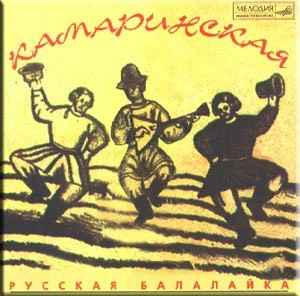
At Satan’s ball Margarita sees polar bears playing concertinas and dancing the Kamarinsky on a platform. The камаринская (Kamarinskaya) is a Russian song and dance with a short repeated tune and rather ribald words. When the kamarinskaya is sung and danced, the right steps are not the dancers’ main concern. Grotesque steps, shrugs of the shoulders, occasionally ugly and revolting body movements - everything is allowed.
Here you can listen to an instrumental version.
Click here to learn how to dance the kamarinskaya
Поместить эту страницу |
Стиль и форма
Иллюстрации
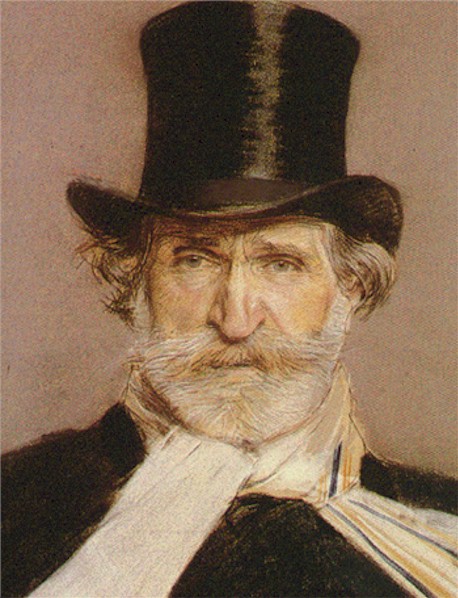
Джузеппе Верди
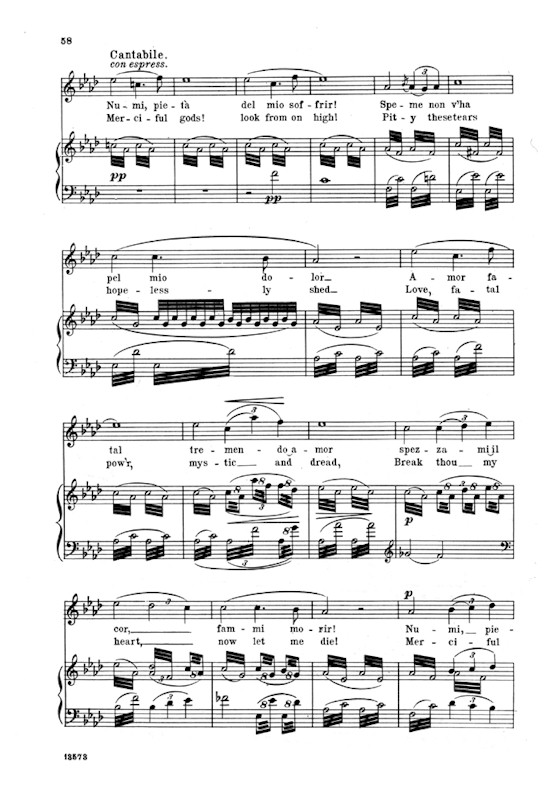
Ария О боги от оперы Аида
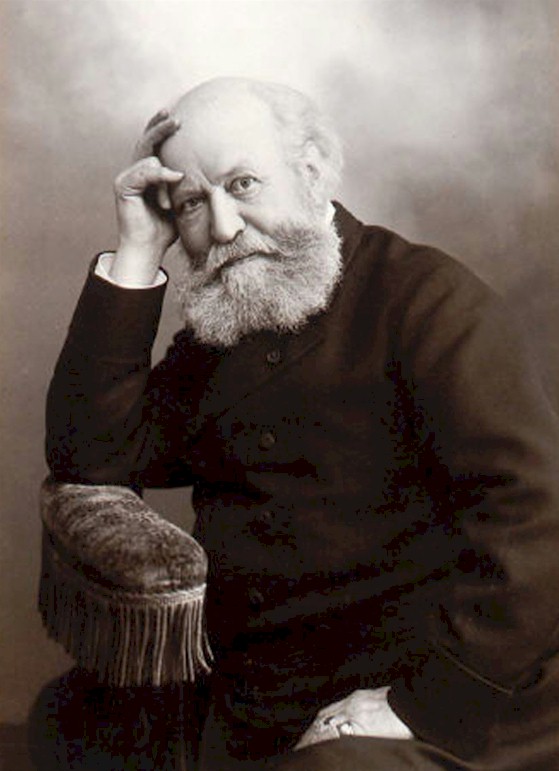
Шарль Гуно
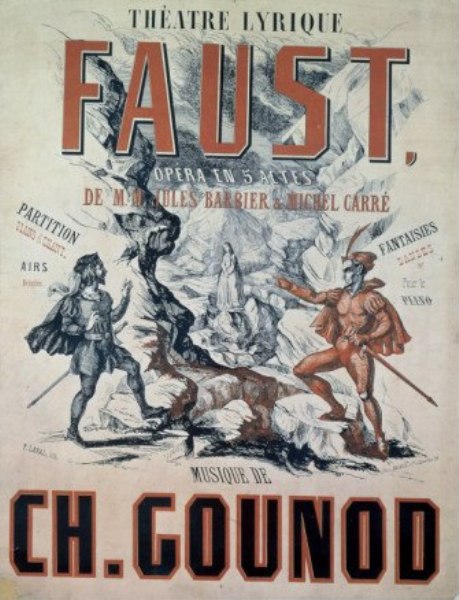
Плакат Фауста Шарль Гуно
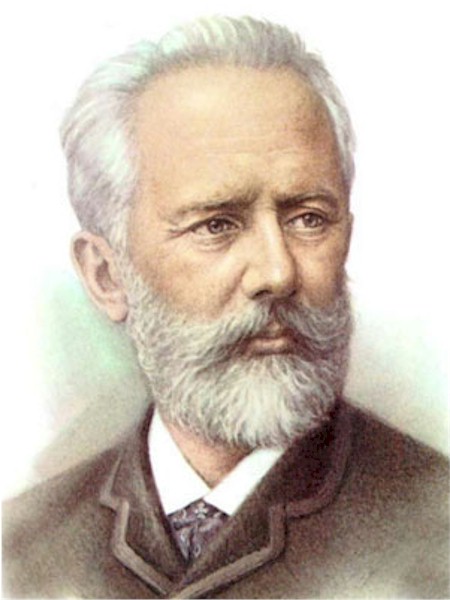
Пётр Ильич Чайковский
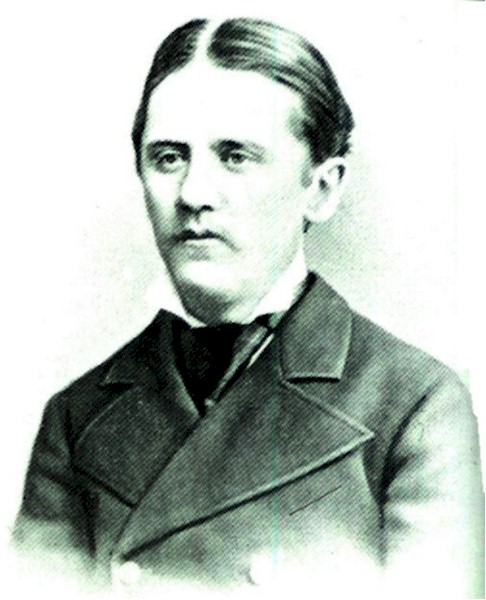
Модест Ильич Чайковский
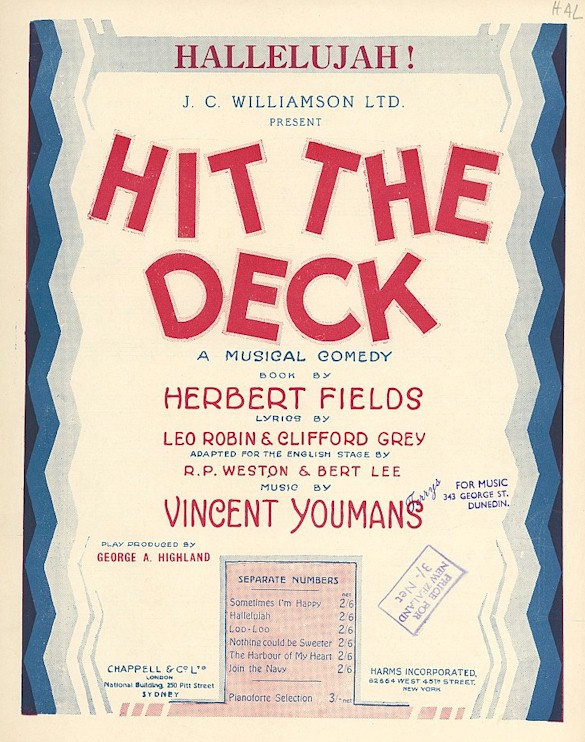
Музыкальные "Hit The Deck" с песней "Аллилуйя!
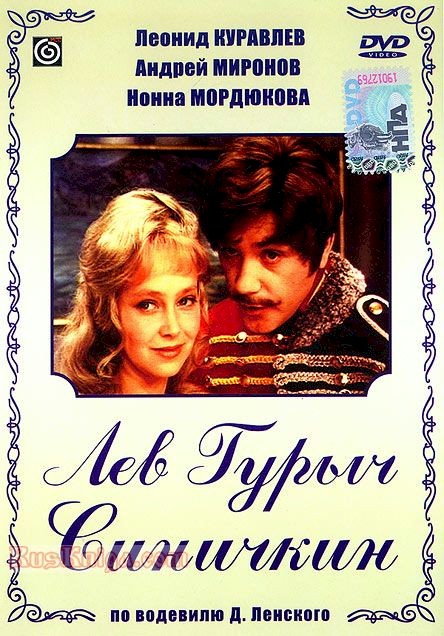
Фильм "Лев Гурыч Синичкин"
(Александр Белинский)
Ваш гид по роману

In this section are explained, per chapter, all typical notions, names of people and places, quotations and expressions from the novel with a description of the political, social, economical and cultural context.