Поэзия в романе
Русский > Темы, стиль и формы > Поэзия в романе
Помимо многих музыкальных тем, Булгаков в «Мастере и Маргарите» также часто ссылается на известные стихи. Иногда они буквально цитируются персонажами, иногда они звучат фоном. Их авторы - это Александр Сергеевич Пушкин (1799-1837), безусловно самый известный русский поэт всех времен или Владимир Владимирович Майяковский (1893-1930), известный современник Булгакова, к которому он относился с любовью и ненавистью одновременно.
Юбилейное
Владимир Владимирович Маяковский - 1924
В конце главы 6 поэт Рюхин беседует со статуей Пушкина. «Что-нибудь особенное есть в этих словах: ‘Буря мглою...’? Не понимаю!» Булгаков ясно даёт понять, кто является прототипом Рюхина. Речь идет о Владимире Маяковском, который написал стихотворение «Юбилейное» в 1924 году по случаю празднования 125-летия со дня рождения Пушкина. В стихотворении он описывает, как гуляя ночью по Тверскому бульвару, стягивает Пушкина с его постамента и делится с ним своими взглядами во время прогулки по городу.
Владимир Маяковский - Юбилейное
Зимний вечер
Александр Сергеевич Пушкин - 1825
В вышеупомянутой цитате Рюхин использует стих «Буря, мглою небо кроет...» Этими словами начинается Зимний вечер (1825), одно из самых знаменитых стихотворений Пушкина.
Александр Пушкин - Зимний вечер
Домой!
Владимир Владимирович Маяковский - 1925
В 13 главе, когда мастер разговаривает с Иваном, речь идёт о «косом дожде». Образ косого дождя пришел из стихотворения Владимира Владимировича Маяковского (1893-1930) «Домой!». Булгаков должен был знать это из публикации поэмы в журнале в 1926 году. Когда в последствии поэт заканчивал это стихотворение, он по совету своего друга Осипа Максимовича Брика (1888-1945) стер последние строки, возможно лучшие в поэме. Они звучали так:
Я хочу быть понят моей страной,
а не буду понят - что ж?!
По родной стране пройду стороной,
как проходит косой дождь.
Скупой рыцарь
Александр Сергеевич Пушкин - 1830
Актер Куролесов во сне Николая Ивановича - глава 15 романа, декламирует фрагмент «Скупого рыцаря» Александра Пушкина. Речь идёт о дьявольской и разрушительной очарованности золотом. Бессердечный отец - барон - отказывается помочь своему сыну Альберту, хотя и может себе это позволить. У Пушкина были похожие проблемы с отцом. Барон и Альберт были близки к дуэли, которая была отложена в последний момент. Но барон умирает вскоре после этого естественной смертью.
В 1904 году по мотивам этой маленькой трагедии Пушкина Сергей Васильевич Рахманинов (1873-1943) написан одноименную оперу.
Александр Пушкин - Скупой рыцарь
Пиковая дама
Александр Сергеевич Пушкин - 1833
Еще в 15 главе слышится как вдалеке нервный тенор поёт:
«Там груды золота лежат
и мне они принадлежат!»
Эти строки взяты из повести «Пиковая дама», написанной Александром Сергеевичем Пушкиным (1799-1837). Речь идет о разрушительном влиянии игровой зависимости. Герман - офицер армии, который манипулирует наивной Лизой. Она является внучкой графини, известной как «Пиковая дама». Графиня знает «секрет трех карт» и рассказывала об этом двум мужчинам. Если она расскажет третьему, она умрет. Герман одержим тем, что хочет узнать секрет, который стоит ему его состояния, Лизы и, в конечном счете, его собственной жизни.
В 1890 году Петр Ильич Чайковский (1840-1893) написал оперу, основанную на истории Пушкина. Либретто написал брат композитора Модест Ильич Чайковский (1850-1916). Последний внес некоторые изменения в историю, чтобы сделать ее более подходящей для оперы.
Александр Пушкин - Пиковая дама
Поместить эту страницу |
Стиль и форма
Иллюстрации
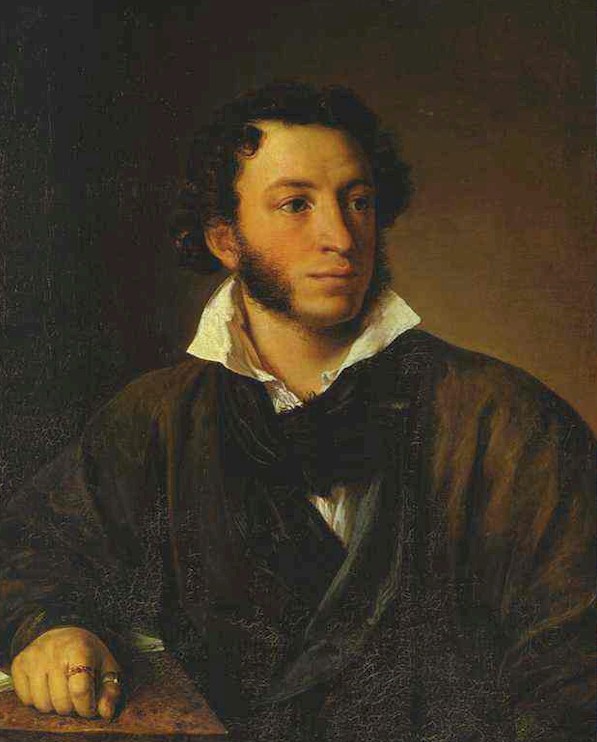
Александр Сергеевич Пушкин
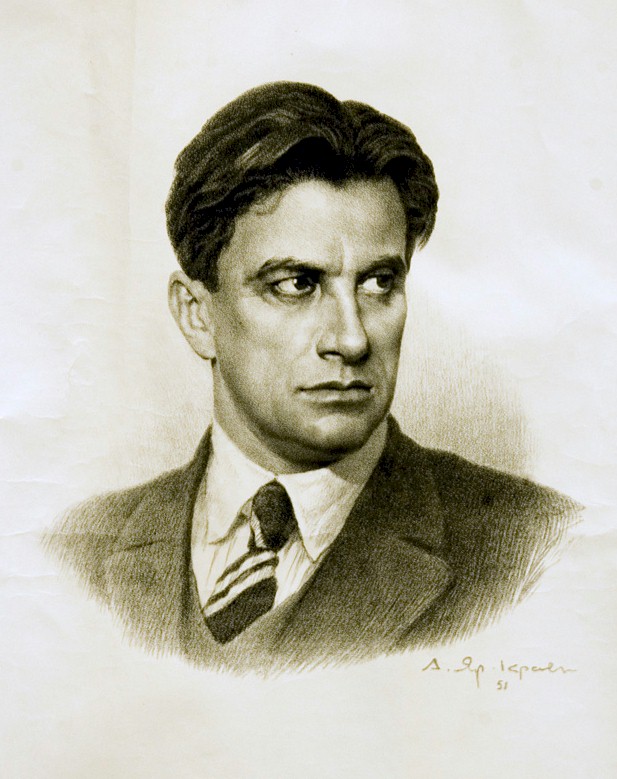
Владимир Владимирович Маяковский
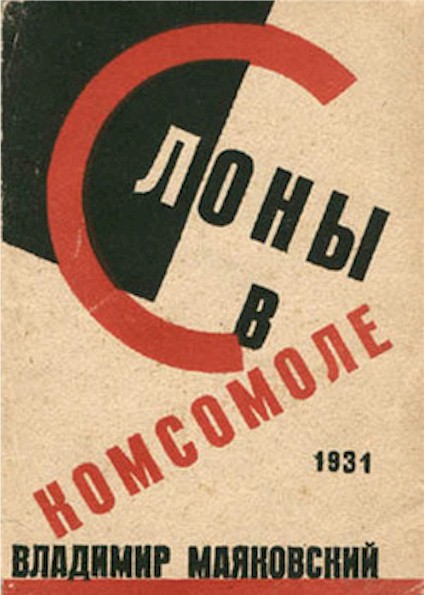
Слоны в Комсомоле , собрание поэм
для революции Владимиром
Маяковскаим