Гости на балу
Русский > Персонажи > Демонические образы > Гости на балу
Все гости на балу Сатаны имеют некоторые общие характеристики. Они все мертвы, конечно, и, за исключением музыкантов, все они сделали что-то ужасное чтобы оказаться в аду или должны были сделать. Тот факт, что они мертвы имеет одно большое преимущество. Булгаков не должен скрывать их имена и характеры.Вот выбор. Персонаж Фрида получил страницу самостоятельно, потому что, кроме других гостей на балу, она вернется в романе позже.
Иоганн Штраус
«Король вальсов» - венский композитор Иоганн Штраус-мл. (1825-1899). Его отец, Иоганн Штраус стр. (1804-1849) уже был признан в качестве композитора. Его самая известная работа была Марш Радецкого. Но его сын Иоганн или Шани быстро стал более известным благодаря незабываемым вальсам На прекрасном голубом Дунае, Императорскийвальс и Венская кровь, а также опереттам Летучая мышь и Цыганский барон. В те времена, когда жил Иоганн Штраус-мл., Венский вальс не играли в театрах или концертных залах, как в настоящее время, но в основном в танцевальных залах или на приемах, во время мирских событий.
Вьётан
Вьётан - Анри Вьётан (1820-1881), бельгийский скрипач-виртуоз из Вервье который дебютировал в возрасте десяти лет в Париже, где он был представлен скрипачом из Лёвена Шарлем Огюст де Берио (1802-1870). Вьетан объездил весь мир, давал уроки в консерваториях Брюсселя и Санкт-Петербурга, с 1846 по 1851 гг. был скрипачом императорского двора, а также ведущим солистом Императорского театра. Он был также очень успешным композитором, о чем говорят его 7 концертов для скрипки, камерная музыка и пьесы для скрипки с фортепьяно. Это не было редкостью когда музыканты со всего мира приглашались играть на таких больших приемах, как в доме Спасо.
Господин Жак
Господин Жак - богатый французский торговец Жак ле Кёр (1395-1456), который при Карле VII (1403-1461) стал начальником финансов. Он предоставлял королю большие кредиты для финансирования войны. Начало его карьеры было не очень успешным, потому что, прежде чем он стал успешным в законном порядке, он был связан с фальшивомонетчиками. Позже его обвинили, в том, что он любовник королевы Агнесса Сорель (1422-1450) и хотели отравить.
Он был приговорен к смерти, которая впоследствии была заменена на пожизненное изгнание и штраф. Его владения были конфискованы, поэтому король не вернул свои кредиты. Позже Жак Кер Луи XI реабилитировал его посмертно. В Мастер и Маргарита, Коровьев называет его предателем и алхимиком, но на самом деле это не так. В своём родном городе Бурж он построил красивый замок.
В первой полной рукописной версии «Мастера и Маргариты» этот персонаж назывался Жак Ле-Кёр. Я не знаю почему Булгаков добавил к имени артикль «Ле» . Диалог с мсье Жаком также был полностью написан на французском языке с транслитерацией.
«Аншанте!..» [Enchanté] или «Очень приадно».
«Вотр Мажесте, же лоннёр» [Votre Mazhesté, j'ai l'honneur] или «Ваше Величество, имею честь».
«Эн верр»[Un verre] или «Стекло».
«Милль мерси [Milles merci] или «Огромное спасибо».
Граф Роберт
Граф Роберт, названный Коровьевым «любовник королевы», Роберт Дэдли (1532-1588), граф Лейгестер и друг детства британской королевы Елизаветы I (1533-1603). Он был пятым из тринадцати детей. Его супруга, Эми Робсарт (1534-1560), умерла при загадочных обстоятельствах, но не из-за отравления, как это было представлено Булгаковым. На самом деле в результате падения с лестницы.
Свидетели отношений между графом и Елизаветой I появились не из воздуха. Многие предполагали, что Дэдли убил свою жену, чтобы жениться на Елизавете. По иронии судьбы, смерть Эми помешала браку, потому что Елизавета была под сильным влиянием общественного мнения. Она назначила графа Роберта адмиралом - он должен был победить армию Испании, но он умер вскоре после своего назначения.
Госпожа Тофана
В Энциклопедическом словаре Брокгауза и Ефрона Булгаков нашел имя Синьора Тофана или Тофания ди Адамо (1653-?) среди имён Акфа Тофана. Она была одна из «династии» отравителей 17 века. Яд названный её именем, аква тофана, вероятно, содержит мышьяк и белладонну (растение с очень ядовитыми ягодами, которое можно встретить в Арденнах). Дети умирали после не более трех ягод. Аква тофана была бесцветной и безвкусной жидкостью, и поэтому идеально подходила, чтобы провести супругов или родственников.
О первой Тофании, Тофания ди Палермо известно мало, только то, что она убивала с помощью яда.
Вторая Тофания, Тофания ди Адамо (1653-?), была из Неаполя и получила рецепт от первой Тофании. Она ненавидела мужчин и продавала яд в бутылках с портретом Святого Николая, следовательно торговым названием Манна Святого Николая. Её яд убил, по крайней мере, 600 человек. Она была замучена пытками публично и казнена.
Третья Тофания - Джулия Тофана, промышляла в Риме и приходилась сестрой или дочерью второй Тофании. Она была приговорена к смерти и казнена в Кампо деи Фиори.
Маркиза
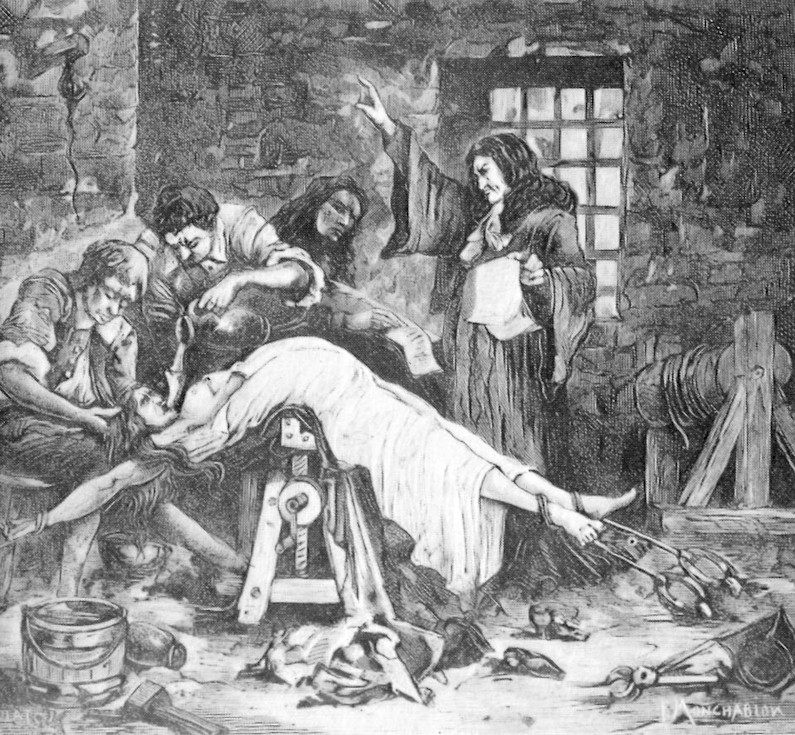
Маркиза Мари Мадлен Дрё д’Обре (1630-1676), Маркиза де Бренвилье, пресловутая отравительница, которая используя своего любовника, армейского капитана Жан Батист Годин де Сэн-Круа (? -1672), лишает жизни своего отца, брата и двух сестёр, чтобы получить наследство. Она использовала яд аква тофана. Были также слухи, что она убивала бедных в больницах, которых посещала. Она была приговорена к наказанию водой, при котором осуждённый обязан выпить шестнадцати пинт воды, затем его обезглавливают и кремируют.
Мадам Минкина
Мадам Минкина, полное имя Настасья Федоровна Минкина (1782-1825), была домработницей и любовницей графа Алексея Аракчеева(1769-1854), военного советника царя Александра I (1777-1825). Она была необычайно жестокой и пагубной женщиной - в один прекрасный день она, в приступе ревности, сожгла лицо девушки щипцами для завивки. Ее собственные домашние работники восстали против неё и убили в 1825. Алексей Аракчеев ушёл недалеко от своей любовницы. Крестьянки в его имении близ Новгорода Грузино были обязаны рожать одного ребенка в год, и он приказал повесить всех кошек в его поместье, потому что любил слушать пение соловьёв.
Император Рудольф
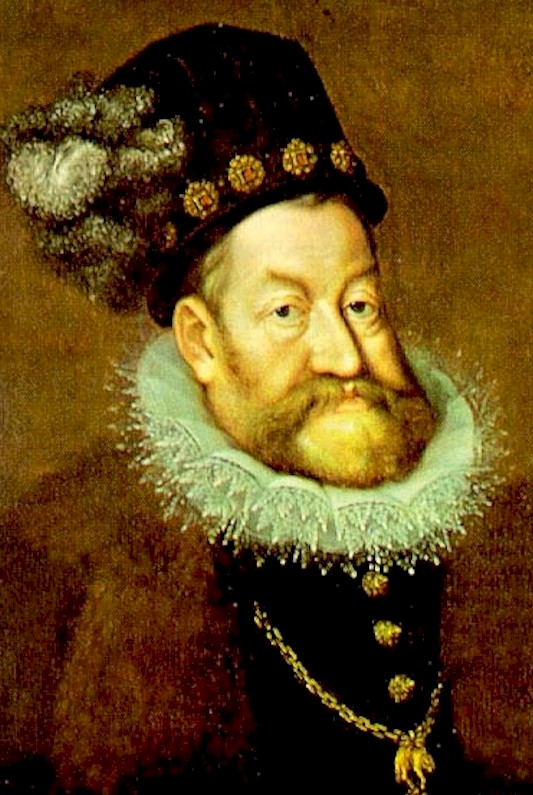
Император Рудольф или Рудольф II Габсбургский (1552-1612), император Германии и сын Максимилиана II (1527-1576), жил в Праге и был покровителем Тихо Браге (1546-1601) и Иоганна Кеплера (1571-1630). В 1572 году Браге открыл новую звезду в созвездии Кассиопеи. Он описал это событие в своей книге Stella Nova. Позже стало известно что звезда сверхновая. Оказалось, что атмосфера звезды, как это было описано Аристотелем (384 г. до н.э.-322 до н.э.) не была постоянной. Иоганн Кеплер был ассистентом Тихо Браге. Он стал известен за разработку законов движения планет. Позже, Исаак Ньютон (1643-1727) использует его открытие для своего закона тяготения.
Московская портниха
Московская портниха - Зоя Денисовна Пельц, героиня Булгаковской пьесы Зойкинаквартира. Ей удалось создать бордель под видом лавки портнихи. Ее девочки были так называемые модели, и она была одержима желанием превратить Советский Союз в Париж.
Названы различные прототипы персонажа Соня. Первой, возможно, была Адель Адольфовна Тростянская, которая действительно бордель замаскировала под бутик. Булгаков читал статью о судебном процессе в октябре 1924 года в Красной газете. В той же газете позже была статья о некой Зое Буяльской, которая была арестована, потому что маскировала бордель под ателье. Наконец, есть Шатова Зоя Петровна, которая была арестована весной 1921 года в Москве, потому что она тайно организовала ресторан. Среди клиентов, которые были арестованы вместе с ней, были поэты Анатолий Борисович Мариенгоф (1897-1962) и Сергей Есенин Александрович (1895-1925), муж американской танцовщицы Айседоры Дункан (1877-1927).
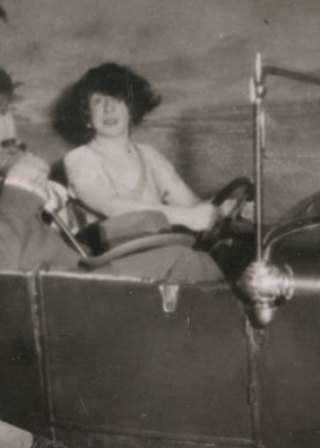
Зоя Шатова делала свой бизнес в квартире N 38. на Большой Садовой 10, где она одно время квартировала. Это квартира принадлежала армяно-русскому художнику-авангардисту Георгию Богдановичу Якулову (1884-1928). На описание физических особенностей Зои, Булгакова вдохновила жена Якулова - Наталья Юльевна Шифф (1889-1974).
Калигула
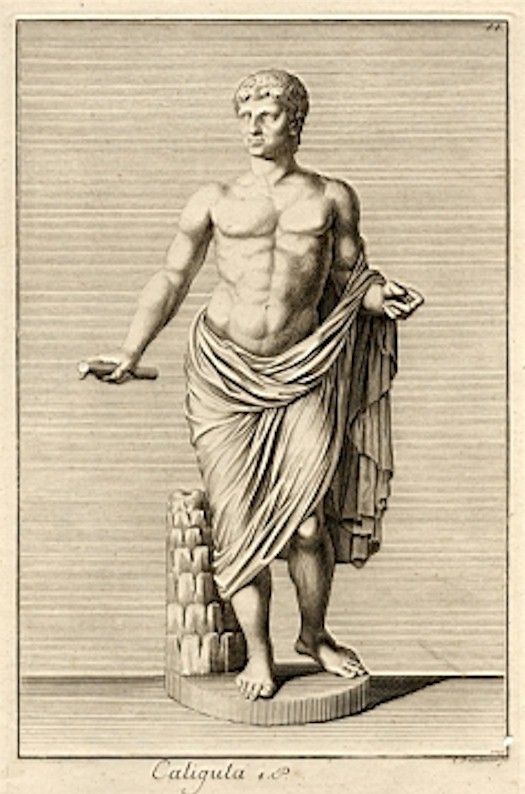
Калигула - попрозвище Гая Цезаря (12BC-41). Он был младшим сыном Германика (15BC-19) и Агриппины Старшей (14BC-33), и, приемником Тиберия (42BC-37) в качестве императора Рима. Люди называли безумным, так как он подчинил Рим тиранической жестокостью и в конце концов был убит. Калигула вырос в военных лагерях. Среди солдат он был популярен, его прозвище Калигула происходит от латинского caligae (военные сапоги). Кстати, это прозвище в его время редко использовалось, но более поздние историки вытеснили прозвищем настоящее имя.
Мессалина
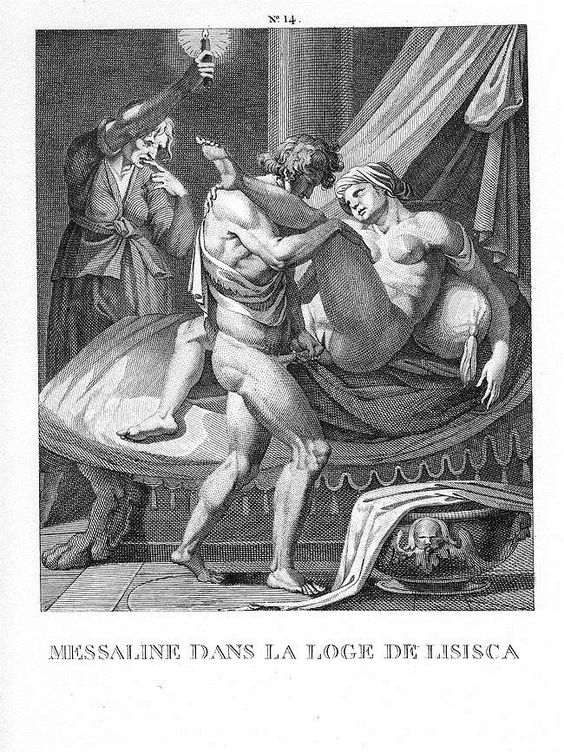
Мессалина или Валерия Мессалина (17-48) была третьей женой римского императора Клавдия (10BC-54), приемника Калигулы. Она была дочерью Домиции Лепиды (10BC-54) и Марка Валерия Мессала Барбата (11BC-21). Дочь из приличной римской семьи, она была известна своей аморальностью.
В своей работе Естественная история или История природы, книга Х, глава 27, римский писатель и философ Плиний Старший [Гай Плиний Секунд] (23-79) описывает как Мессалина вызвала известную римскую проститутку Сциллу на секс-соревнование. Сцилла сдалась после 25-го мужчины, Мессалина продолжала до рассвета. Кроме того известный римский поэт Ювенал [Децим Юний Ювенал] (±60-±133) в свом произведении Сатиры, Книга VI, стихи 114-135 описывает, как императрица тайно работала всю ночь в борделе римского красного квартала Субурапод именем Лициска или Волчица.
В конце концов она была казнена, потому что Клавдий прослышал, что она организовала заговор против него. Впоследствии Римский Сенат заказал «осуждение памяти», так что имя Мессалины будет удалено из всех общественных и частных мест, и все её статуи будут убраны. Позже ее дочь Клаудиа Октавия (39-62) станет первой женой императора Нерона (37-68).
Малюта Скуратов
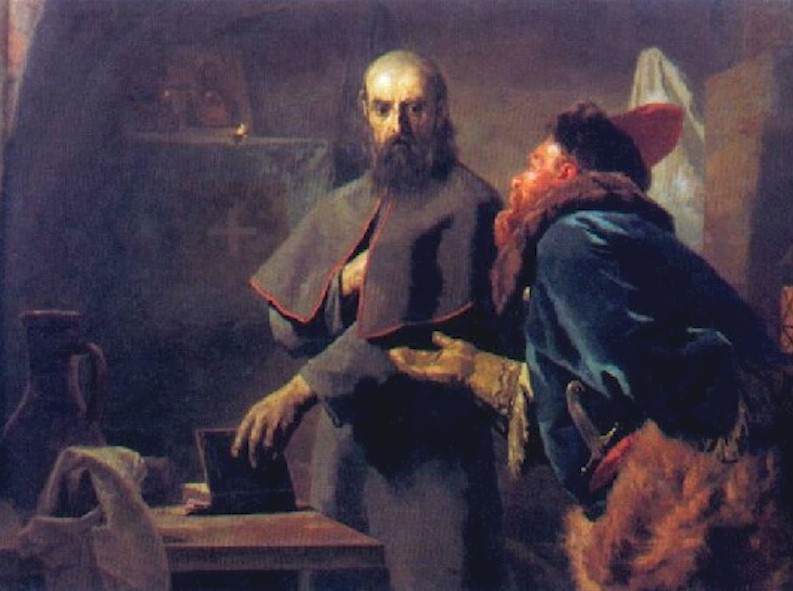
Малюта Скуратов с его «действительно огненной бородой» - прозвище русского дворянина c дурной исторической славой Григория Лукьяновича Скуратова-Бельского (? -1573). Правая рука Ивана Грозного (1530- 1 584), первого русского царя. Царь Иван установил так называемую опричнину - новую государственную политику, в том числе институт тайной полиции. Скуратов был во главе опричников, специальный корпус которых терроризировал деревни поджогами, грабежами и убийствами. Своими руками он задушил православного архиепископа Филиппа II (1507-1569).
Двое последних гостей
Последние два гости явно в романе не названы. Но из диалога между Маргарита и Коровьева мы узнаем, что первый является Народным комиссаром иностранных дел и начальником тайной полиции НКВД Генрих Григорьевич Ягода (1891-1938), а второй - его секретарь Павел Павлович Буланов (1895-1938 ).
Оба были в опале и обвинялись в том, что окропили ядом стены офиса Николая Ивановича Ежова (1936-1938), преемника Ягоды. В 1938 году приговорены к расстрелу на показательном процессе, который получил большую известность (ранее они сами работали на таких процессах в качестве следователей). Ягода был известный игрок и бабник.
Иоганн Вольфганг фон Гёте и Шарль Франсуа Гуно
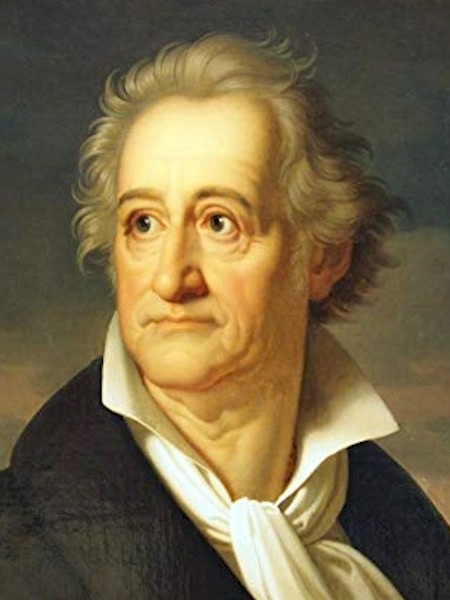
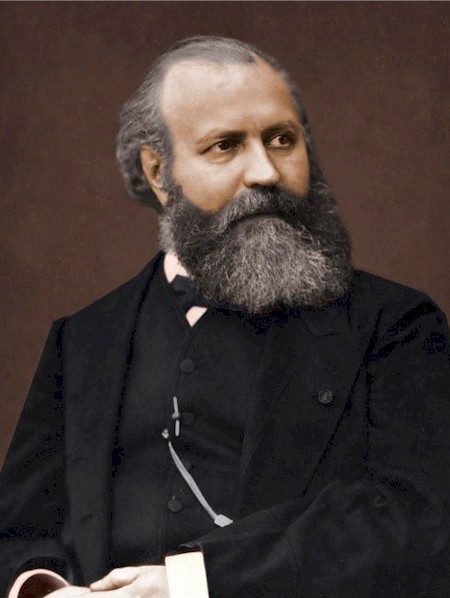
В предпоследней версии «Мастера и Маргариты» Булгаков писал, что Корвиев представил двух других гостей в качестве «последних двух»: «Имею честь рекомендовать вам, королева, директора театра и доктора прав господина Гёте и также господина Шарля Гуно, известного композитора».
Этими гостями, конечно же, являются Иоганн Вольфганг фон Гёте (1749-1842) и Шарль Франсуа Гуно (1818-1893), соответственно автор пьесы и композитор оперы «Фауст». Они были единственными гостями, которые почтительно поклонились Маргарите, но колена не целовали.
Перед Маргаритой оказался круглый золотой поднос и на нем два маленьких футляра. Крышки их отпрыгнули, и в футлярах оказалось по золотому лавровому веночку, который можно было носить в петлице, как орден. «Мессир просил вас принять эти веночки», говорила Маргарита одному из артистов по-немецки, а другому по-французски, на память о сегодняшнем бале. Оба приняли футляры и последовали к подносам.
Адольф Гитлер и Иосиф Сталин
Режиссер Юрий Кара (°1954) представляет другое видение в своем фильме Мастер и Маргарита. Он показывает Адольфа Гитлера (1889-1945) и Иосифа Сталина (1887-1953), которые идут засвидетельствовать своё почтение к Маргарите. По Кара, Булгаков должен был бы думать о них, когда он писал: «Последние два гостя поднимались по лестнице». Но он не мог назвать двух диктаторов потому что, когда роман был написан, они были еще живы.
Демонические образы
Иллюстрации
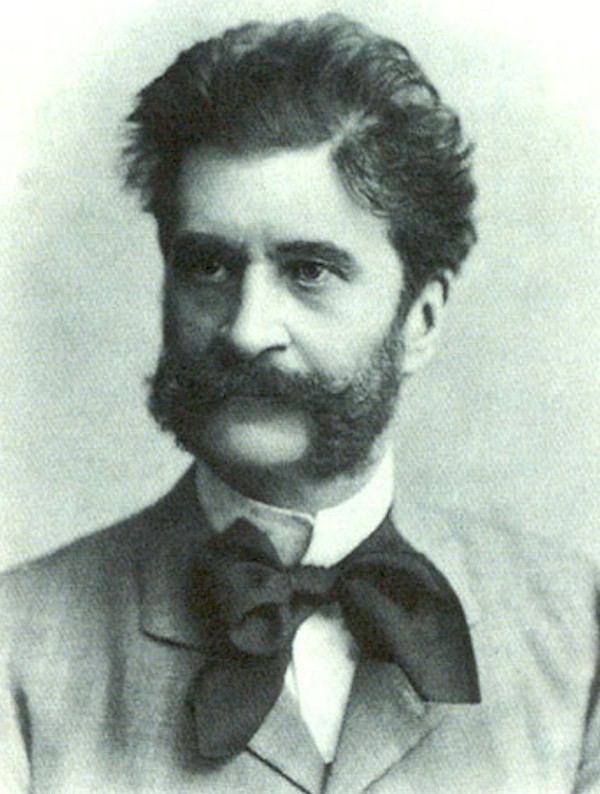
Иоганн Штраус (сын)
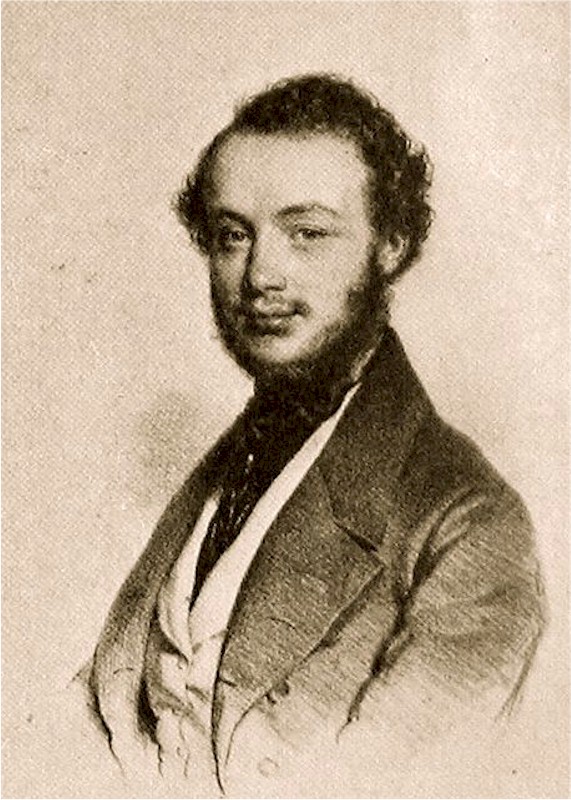
Анри Вьётан
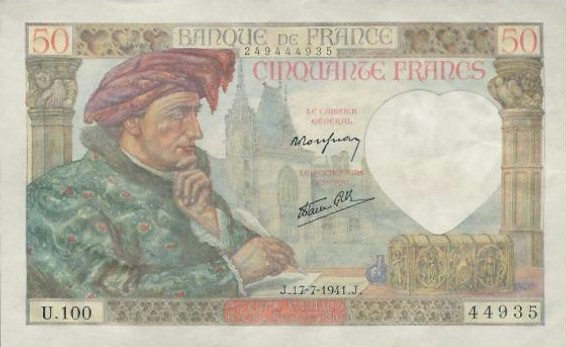
Жак Кёр на банкноте 50 франков с 1941
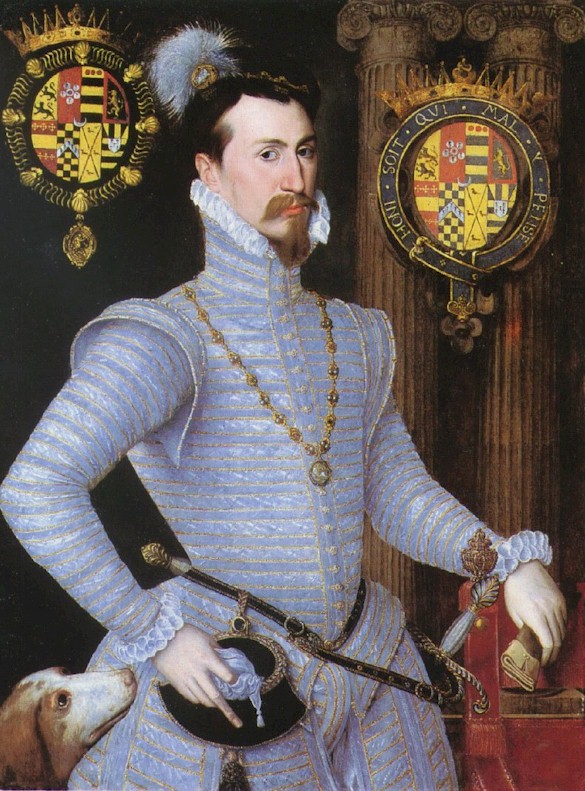
Граф Роберта Дадли
Мария Магдалина Добрей, Маркиза

Граф Алексей Андреевич Аракчеев
Империи Рудольф II
Наталья Юльевна Шифф
Гай Юлий Цезарь Август Германик
Валерия Месалина
Малюта Скуратов и митрополит Филипп
Иоганн Вольфганг фон Гёте
Шарль Франсуа Гуно
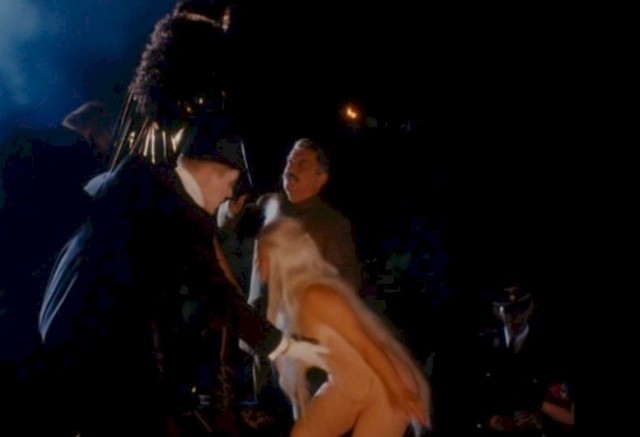
Гости на балу - Юрий Кара
Ваш гид по роману

В этом разделе даются пояснения к встречающим-ся в романе понятиям, име-нам людей, местам дейст-вия, цитатам и выражениям в рамках политического, социального, экономичес-кого и культурного контекста, в котором создавался роман.