1. Never talk with Strangers
English > The novel > Annotations per chapter > Chapter 1
Epigraph
«... who are you, then?»
«I am part of that power
which eternally wills evil
and eternally works good.»
The epigraph comes from the scene entitled Faust's Study in the first part of the drama Faust, written by Johann Wolfgang von Goethe (1749-1842). The question is asked by Faust; the answer comes from the demon Mephistopheles.
Never Talk with Strangers
The title is an ironical reference to the psychology of many Muscovites in a period in which there existed an obsession for espionage. In his speech to the joint plenum of the Central Committee and the Central Control Commission of the Communist Party on January 11, 1933, General Secretary Joseph Stalin (1878-1953) had warned that «the former» (the supporters of the previous regime) were scattered around the country and they only wanted to bring «mischief and harm». Talking to them was dangerous and those who did, would be pursued by the Soviet secret police on suspicion of espionage. Foreigners belonged to «the breed of the unknown and the strangers», to whom you should not talk.
Foreigners who visited the Soviet Union were closely monitored by the secret service НКВД [NKVD], the Народный комиссариат внутренних дел [Narodnyy Komissariat Vnutrennikh Del] or People's Commissariat for Internal Affairs, which had informers and infiltrators at work everywhere. Later, during the Cold War between the Soviet Union and the West, this service was known as the notorious КГБ [KGB], the Комитет государственной безопасности [Komitet gosudarstvennoy bezopasnosti] or Committee for State Security. Now it is called ФСБ [FSB], the Федеральная служба безопасности Российской Федерации [Federalnaya sluzhba bezopasnosti Rossiyskoy Federatsii] or Federal Security Service of the Russian Federation.
In The Master and Margarita, Bulgakov never mentions the NKVD by name. However, the service is ubiquitous in the novel, but is indicated by the impersonal «one» or «them», or referred to as «a certain organisation».
Click here to read more about Russians and foreigners.
Patriarch's Ponds
The Patriarch's Ponds are situated in a park very close to Bulgakov's former residence in the Большая Садовая улица [Bolshaya Sadovaya uliitsa] or Big Garden Street in Moscow. The Russian name of this place is Патриаршие пруды [Patriarshie Prudy] or Patriarch's Ponds. The name is in plural, though there is actually only one pond.
Click here for a more detailed description of this location.
Many streets, squares and buildings got a new name in the Soviet era. In Bulgakov's time, the Patriarch's Ponds were called Пионерские пруды [Pionerskie Prudy] or Pioneer's Ponds. In The Master and Margarita however, Bulgakov consequently used the prerevolutionary names, which often were of christian orthodox origin.
A grey summer suit and a respectable fedora
The first of the two citizens at Patriarch's Ponds looks like a functionary. With the description of «black horn-rimmed glasses of a supernatural size» Bulgakov gives an indication of his appreciation of such characters.
As far as the hat is concerned, Bulgakov described a приличную шляпу пирожком [prilichnuyu shlyapu pirozhkom]. A literal translation would be: a respectable hat as a pastry, but the translation given here is quite correct, since шляпа пирожком [shlyapa pirozhkom] was the popular name given to a Федора [fedora].
A fedora is a felt hat, often made from Belgian rabbit fur, with a wide brim and indented crown, typically creased lengthwise down the crown and pinched near the front on both sides.
The name of the hat comes from Fédora Romazov, a character from the play Fédora by the French writer Victorien Sardou (1831-1908). She was wearing a fedora, and the fact that this character was played in the first representations of the play in 1889 by the world-famous actress Sarah Bernhardt (1844-1923) made this hat popular all over the world. First worn by women, the fedora later became a popular men's attribute after Edward VIII (1894-1972), the then Prince of Wales, started wearing it in 1924. Well-known variants later were produced by the fashion houses Borsalino and Stilton.
After the revolution, hats were no longer used in the Soviet Union, unless by old-fashioned intellectuals. Hats were winning acceptance again in the 30's, namely among the new elite.
Georgy Andreevsky (°1940), who worked for years for the Attorney General of the USSR, published a series of books entitled The daily life in Moscow during the Stalin era. He quoted a French journalist which name he spelled in Cyrillic as Морис Родэ-Сэн [Maurice Rodin-Saint], but on whom I haven’t found any further information. In 1934, this journalist wrote the following in the emigrants’ journal Иллюстрированная Россия [Illyustrirovannaya Rossiya] or Russia Illustrated: «It is shocking to see how the people are dressed in Moscow. Shoes are a rarity. Some passers-by, however, differ greatly from the mass. They are better dressed and they all carry, without any exception, a bag. These are the officials, the rulers of the Soviet society. Shoes, bags and hats, that’s how you can recognize the Soviet caste».
Mikhail Bulgakov himself was always dressed very decently when he was in company. He not only often carried a fedora hat, but also a pince-nez.
A checkered cap, a cowboy shirt and black sneakers
The second character complies with the stereotype image of the proletarian poet looking far less bourgeois. He was в ковбойке [v kovboyke], or in a checkered shirt. The word ковбойкa [kovboyka] is derived from the American word ковбой [kovboy] or cowboy.
Mikhail Aleksandrovich Berlioz
This absolutely non-Russian name for the chairman of the board of Massolit is referring to the French composer Louis Hector Berlioz (1803-1869) who wrote the opera La damnation de Faust. In this opera there are four characters: Faust (tenor), the devil Méphistophélès (bariton), Marguerite (mezzosoprano) and Brander (bas).
Hector Berlioz wrote also the well-known Symphonie Fantastique (1830), one of the most famous examples of programme music. In the fourth movement of this symphony, the Marche au supplice or March to the scaffold, the main character is seeing his own decapitation in his dream, and in the fifth movement, the Songe d'une nuit du sabbat or Dream of a witches' sabbath, he sees himself at a witches' sabbath in a giant orgy. Both themes will be important later in the novel.
Click here for a more detailed description of Mikhail Aleksandrovich Berlioz.
Massolit
Massolit is an invented but plausible contraction parodying the many contractions introduced in post-revolutionary Russia. There will be others further on in the novel - like the Dramlit House (House for Dramatists and Literary Workers), findirector (financial director), and so on.
In Bulgakov’s time, writers needed to be members of official literary unions if they wanted to publish their works. Some examples of such unions were the Российская Ассоциация Пролетарских Писателей (РАПП) [Rossiyskaya Assotsiatsiya Proletarskikh Pisateley (RAPP)] or Russian Association of Proletarian Writers and the Московская Ассоциация Пролетарских Писателей (MAPP) [Moskovskaya Assotsiatsiya Proletarskikh Pisateley (MAPP)] or Moscow Association of Proletarian Writers. The names of these organisations are real: many hideous abbreviations were commonly used in the Soviet Union.
Bulgakov based the fictional Massolit on the RAPP and the MAPP. In the book he gives no explanation to the abbrevation. But it probably was the Мастера Социалистической литературы [Mastera Sotsialisticheskoy literatyry] or Masters for Socialist Literature, by analogy with the Мастера Коммунистической Драмы (Масткомдрам) [Mastera Kommunisticheskoy Dramy (Mastkomdram)] or Masters for Communist Drama, an organisation that really existed in Bulgakov's era. Mastkomdram was created on November 29, 1920 as an initiative of the TEO, the Theatre Division of the Commissariat of Education and Enlightenment, and lead by theatre director and actor Vsevolod Emilevich Meyerhold (1874-1940).
According to the Russian Bulgakov expert Boris Vadimovich Sokolov (°1957), the author of the Bulgakov Encyclopedia, the name Массолит [Massolit] would be an abbreviation of Масонские литературы [Masonskie literaturi] or Masonic writers. Sokolov argues his thesis by referring to an article written by Afanasy Ivanovich Bulgakov (1859-1907), theologian and church historian, and father of Mikhail Afanasievich. In 1903, he had written an article about Modern Freemasonry in its Relationship with the Church and the State, which was published in the Acts of the Theological Academy of Kyiv. Bulgakov Senior wrote that the Masons wanted to introduce a new faith. A false faith, according to him, because their only aspiration would have been to increase the personal wealth of the members. However, it seems somewhat farfetched to link the name Massolit to Freemasonry. In that case, Bulgakov would have written Масолит [Masolit], with only one «s», which not.
Bulgakov was interested in the symbols of Freemasonry, however, and he refers to them indeed on various places in the novel.
Click here to read more on Freemasonry in The Master and Margarita
Ivan Nikolaevich Ponyryov (Bezdomny)
Бездомный [Bezdomny], the nickname of the poet Ivan Nikolaevich Ponyryov, means The Homeless in Russian.
In the early versions of the novel the young poet was called Безродный [Bezrodny], which means the Lonely. Many so-called proletarian writers used such pseudonyms. The most famous one is probably Aleksey Maximovich Peshkov (1868-1936) who called himself Maxim Gorky. Горький [Gorky] means The Bitter. Other examples of such pseudonyms are Голодны [Golodny], The Hungry, Беспощадный [Besposhchadny], The Wreckless or Приблудный [Pribludny], The Lost.
Click here for a more detailed description of Ivan Nikolayich Ponyryov (Bezdomny)
Seltzer and beer
«Give us seltzer,» Berlioz asked.
«There is no seltzer,» the woman in the stand said, and for some reason became offended.
«s there beer?» Homeless inquired in a rasping voice.
«Beer'll be delivered towards evening,» the woman replied.
«Then what is there?» asked Berlioz.
«Apricot soda, only warm,» said the woman.
«Well, let's have it, let's have it! ...»
Bulgakov didn't really need to exaggerate to make this conversation look like a parody - this kind of dialogues could be heard daily in the former Soviet Union. Both the situation of supply shortage and the description of the protagonists' attitudes towards it were common practice. Only in a берёзка [beryozka] or foreign-currency-only store there was no supply shortage.
Click here to read more about the beryozka's
In the original Russian text Bulgakov didn’t write about ordinary seltzer. He used the word нарзан [narzan]. Since 1894, the Narzan mineral water is bottled in Kislovodsk, a city in the region of Stavropol in the North Caucasus. Bulgakov writes narzan, without capital, because the water was so popular that the brand name became a generic name.
Kislovodsk
Literally Kislovodsk means acid waters. It was a popular resort in the northern Caucasus, famous for its mineral springs. The Narzan mineral water is bottled here. For Russians with connections "the South" with the Caucasus, the Crimea and the Black Sea was the most prestigious resort.
After the creation of the Союз советских писателей [Soyuz Sovietskikh Pisateley] or Union of Soviet Writers in 1932, writers in the Soviet Union could be rewarded with a путёвка [putyovka] for Kislovodsk. A putyovka is a (doctor's) referral letter which Soviet citizens needed for going to a sanatorium. A sojourn in a sanatorium was - and still is in many cases - a combination of a recreational stay at the sea coast with a programme of courses of treatment and physical exercices, prescribed and followed by doctors.
A transparent citizen […] wove himself out of it
In the period that Bulgakov wrote The Master and Margarita, he got almost nothing published. This was perhaps the reason why he resumed themes or situations he had described earlier, which had no or only a limited audience. The transparent citizen who appears here for Berlioz, resembles a theme that was already in the serial Столица в блокноте [Stolitsa v bloknotye] or The Capital on a Blocnote, published in the journal Nakanune in December 1922 and February 1923: «... behind the young man wove himself out of the air, with no signal from his part (Bolshevik tricks!), a policeman».
A long anti-religious poem
Antireligious demonstrations of every sort and kind were extremely spread in that epoch, such as the iconoclastic poetries of Demyan Bedny (1883-1945), pseudonym of Efim Aleksandrovich Pridvorov. Bulgakov recalled with indignationce that he considers it to be a cursing. It is possible that the original drawing of the novel was born as a reaction against this rude propaganda.
Berlioz ordered a poem on the occasion of the holiday of Easter with the concrete purpose of propaganda. This was not unusual. In the Soviet Union it was common practice to publish atheistic literary works on the eve of christian and other holidays.
Click here to read more about atheism in the Soviet Union
The most ordinary mythology
The statement that Jesus as a person is a myth comes from the theory of Bruno Bauer (1809-1882), a German theologian, philosopher and historian and a follower of Georg Wilhelm Friedrich Hegel (1770-1831) who once awarded the young Bauer an academic prize for a philosophical essay criticizing Immanuel Kant (1724-1804).
Kant had made quite some efforts to prove the existance of God. Bauer was also engaged in furious polemics with others who, as he did himself, tried to prove that the historical Jesus never existed, like David Strauss (1808-1874).
Philo of Alexandria
Philo of Alexandria (20 BC-54) was a Greek philosopher of Jewish origin, a biblical exegete and a theologian. He influenced both the Neo-Platonists and early Christian thinkers.
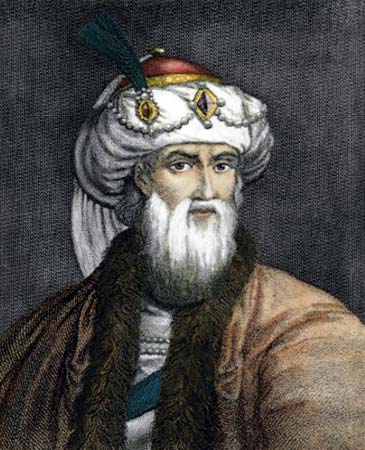
Flavius Josephus
Flavius Josephus (57-100) was a Jewish general and historian, born in Jerusalem, he's the author of The Jewish War and Antiquities of the Jews. Incidentally, Berlioz is mistaken when he says that «the brilliantly educated Flavius never said a word about the existence of Jesus», because Christ is indeed mentioned in the latter work.
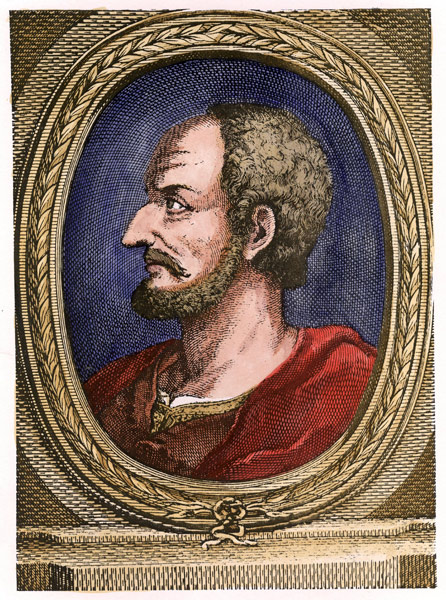
Tacitus's [famous] Annals
Annals is a work on the history of the Roman Empire during the first century by the Roman historian Cornelius Tacitus (55-120), covering the years 14 to 66. He also wrote the book History, which covered the years 69-70, The Annals are not completely saved, except for the years 14-37 (the reign of Emperor Tiberius) and 47-66 (Claudius and Nero). Tacitus referred in one page to Jesus Christ, his execution by Pontius Pilate and the existence of early Christians in Rome.
Modern scholarship rejects the opinion that the passage Berlioz refers to is «a later spurious interpolation». However, in The Prospect of a Christian Interpolation in Tacitus, Annals 15.44, an article published in 2014, the American atheist activist and blogger Richard Cevantis Carrier (° 1969), a leading proponent of the Christ myth theory, uses almost the same words by saying that the execution of Christ by the procurator Pontius Pilate in the reign of Tiberius' line is «a Christian interpolation».
Click here to download History from the Project Gutenberg
 Next page of Annotations chapter 1
Share this page |
Chapters
- Introduction
- 1 Never Talk with Strangers
- 2 Pontius Pilate
- 3 The Seventh Proof
- 4 The Chase
- 5 There were Doings at Griboedov's
- 6 Schizophrenia, as was Said
- 7 A Naughty Apartment
- 8 The Combat between the Professor...
- 9 Koroviev's Stunts
- 10 News From Yalta
- 11 Ivan Splits in Two
- 12 Black Magic and Its Exposure
- 13 The Hero Enters
- 14 Glory to the Cock!
- 15 Nikanor Ivanovich's Dream
- 16 The Execution
- 17 An Unquiet Day
- 18 Hapless Visitors
- 19 Margarita
- 20 Azazello's Cream
- 21 Flight
- 22 By Candlelight
- 23 The Great Ball at Satan's
- 24 The Extraction of the Master
- 25 How the Procurator Tried...
- 26 The Burial
- 27 The End of Apartment No. 50
- 28 The Last Adventures of Koroviev...
- 29 The Fate of the Master and...
- 30 It's Time! It's Time!
- 31 On Sparrow Hills
- 32 Forgiveness and Eternal Refuge
- Epilogue
English subtitles

All films based on The Master and Margarita are subtitled in English, French, German, Dutch, Spanish and Italian.
Illustrations
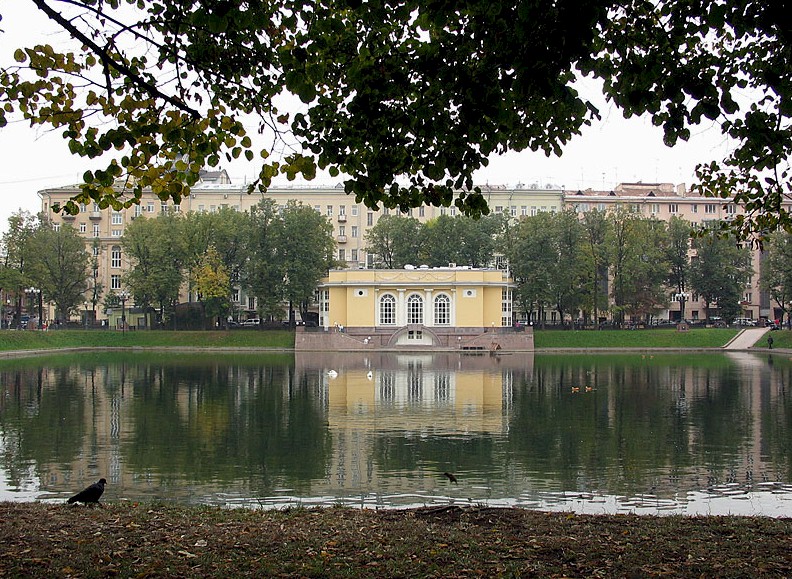
Patriarch's Ponds
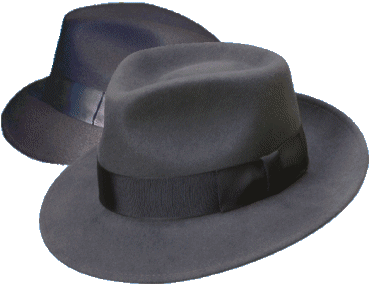
Fedora hats
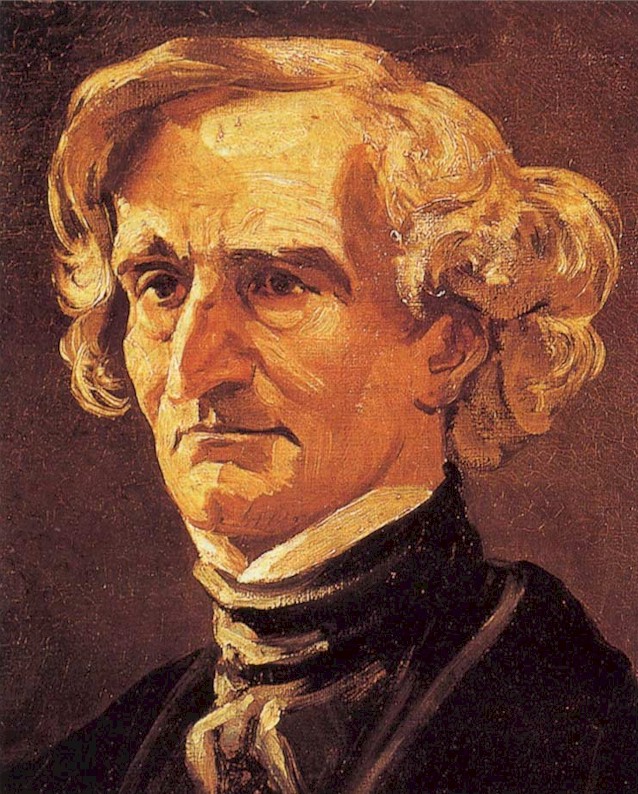
Hector Berlioz
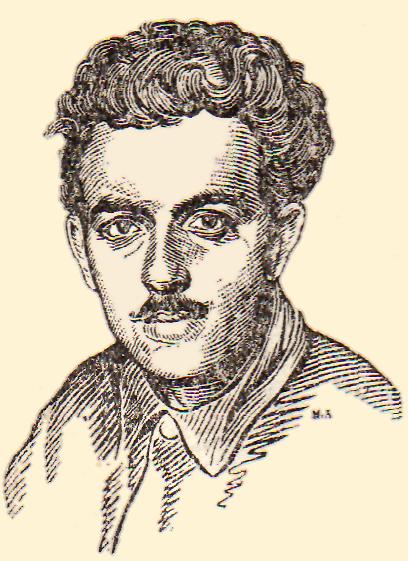
Alexander Ilych Bezymensky
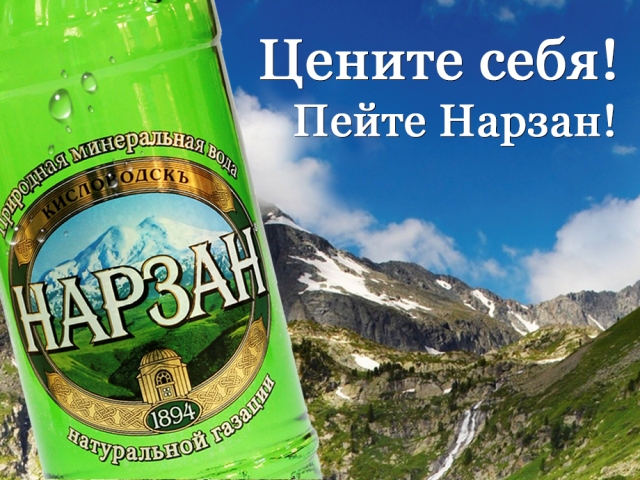
Appreciate yourself, drink Narzan
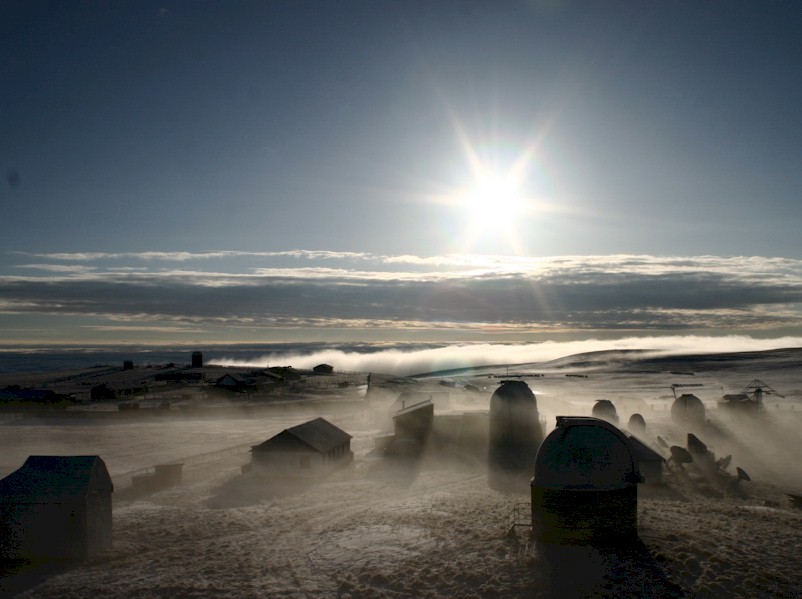
Kislovodsk
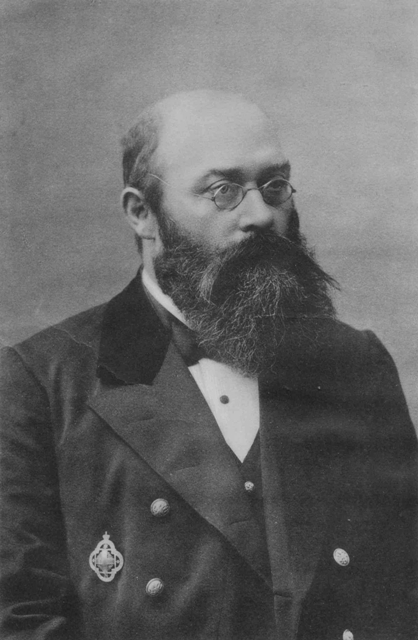
Afanasy Ivanovich Bulgakov
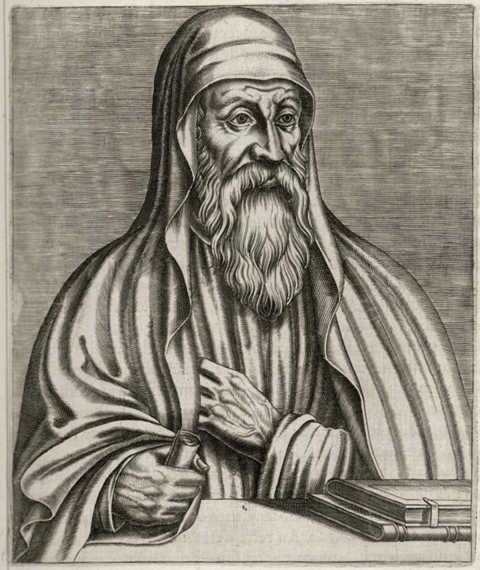
Philo of Alexandria
Flavius Josephus
Cornelis Tacitus